















Regolamento di esecuzione (UE) n. 540/2011

Regolamento di esecuzione (UE) n. 540/2011 / Aggiornato 01.01.2026
ID 15433 | Update 27.02.2026
Regolamento di esecuzione (UE) n. 540/2011 della Commissione del 25 maggio 2011 recante disposizioni di at...
Update 2018
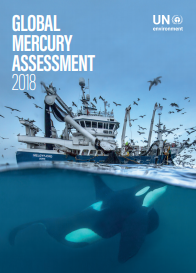
The Global Mercury Assessment 2018 is the fourth such assessment undertaken by The United Nations Environment Programme (UN Environment), following earlier reports in 2002, 2008, and 2013. It is the second assessment produced by UN Environment in collaboration with the Arctic Monitoring and Assessment Programme (AMAP). The assessment is supported by a technical background document, the chapters of which have been prepared by teams of experts and peer-reviewed for scientific quality. This summary document presents the main findings of the technical document in plain language. Recognizing the relevance of the results of the Global Mercury Assessment 2018 for policy makers, this section presents key findings of highest policy relevance.
The Global Mercury Assessment is based on improved information for estimating emissions and releases and improved understanding of the mercury cycle in the environment.
The report provides new information about mercury exposure in animals and humans. These improvements are the result of mercury research and monitoring around the world. They provide a strong base of knowledge to support actions to reduce mercury emissions and releases and to reduce ecosystem and human exposure. Further improvements in our understanding of mercury can further refi ne the ability to identify effi cient actions to reduce mercury pollution and its eff ects. Such improvements include basic research on aspects of the mercury cycle as well as systematic monitoring methods to expand the geographic coverage of measurements of mercury pollution. As a chemical element, mercury cannot be destroyed. Mercury removed from fuels and raw materials in order to reduce emissions will result in mercury-contaminated waste, which in turn can be a source of releases. Mercury removed from emissions and from releases must still be managed responsibly to avoid it becoming a waste management problem or a secondary source. Understanding how mercury removed from current uses and sources is currently managed and how it can be safely managed and stored in the future will help account for the full life-cycle of mercury that is mobilized through human activity, safeguarding the environment and humans when it is removed.
UNECE
Collegati

ID 15433 | Update 27.02.2026
Regolamento di esecuzione (UE) n. 540/2011 della Commissione del 25 maggio 2011 recante disposizioni di at...

ID 21177 | 18.01.2024
Decreto 27 dicembre 2023 Approvazione del programma pluriennale 2023-2025, d...

Legge 12 dicembre 2019 n. 141 Conversione in legge, con modificazioni, del decreto-legge 14 ottobre 2019, n. 111, recante misure urgenti per il rispetto degl...
Testata editoriale iscritta al n. 22/2024 del registro periodici della cancelleria del Tribunale di Perugia in data 19.11.2024