

Decreto Legislativo 26 ottobre 2020 n. 153
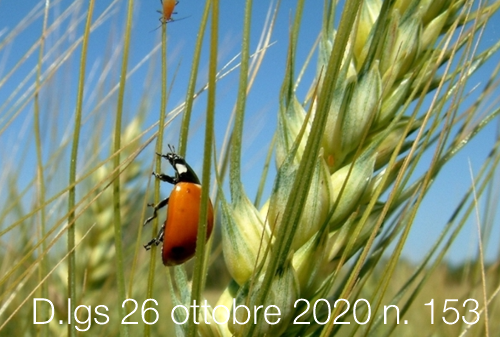
Decreto Legislativo 26 ottobre 2020 n. 153
Disciplina sanzionatoria per la violazione delle disposizioni di cui al regolamento (UE) n. 511/2014 del Parlamento europeo e del Consiglio, del 16 aprile 20...


















ID 19084 | 28.02.2023 / Ed. 2020
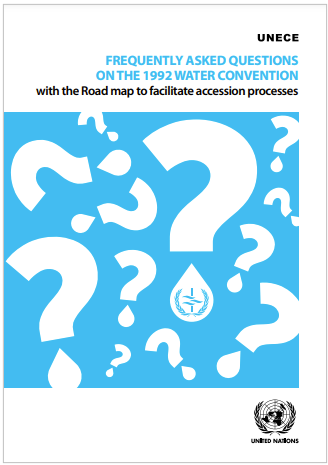
The Convention on the Protection and Use of Transboundary Watercourses and International Lakes (Water Convention) was adopted in 1992 and entered into force in 1996. Designed as a regional instrument, the Water Convention was amended in 2003 to allow accession by countries outside the UNECE region. As of 2016, all United Nations Member States can accede to the Water Convention. As at mid-2020, the Water Convention has 44 Parties, including three Parties from outside the UNECE region, and many more countries are in the process of accession.
The Water Convention serves as a mechanism to strengthen international cooperation and national measures for the ecologically sound management and protection of transboundary surface waters and groundwaters. Furthermore, it provides an intergovernmental platform for the day-to-day development and advancement of transboundary cooperation.
This publication responds to the frequently asked questions about the Water Convention. It explains the obligations under the Water Convention and the way in which its institutional platform works, as well as the advantages for States to become Party to the Convention. It also addresses the relationship between the Water Convention and the 1997 United Nations Convention on the Law of the Non-navigational Uses of International Watercourses.
This publication is intended for countries interested in accession to the Water Convention, countries already Parties to this instrument, international partners, non-governmental organizations and academia. It aims to strengthen the understanding of the Water Convention, facilitate and inform the decision-making process on accession, and contribute to the effective implementation of the Convention and improved transboundary water cooperation wordwide.
UNECE
Collegati
Disciplina sanzionatoria per la violazione delle disposizioni di cui al regolamento (UE) n. 511/2014 del Parlamento europeo e del Consiglio, del 16 aprile 20...
Decisione di esecuzione (UE) 2019/2000 della Commissione del 28 novembre 2019 che stabilisce un formato per la comunicazione dei dati sui rifiuti alimentar...
ID 23163 | 20.12.2024
Decisione (UE) 2024/3179 della Commissione, del 19 dicembre 2024...
Testata editoriale iscritta al n. 22/2024 del registro periodici della cancelleria del Tribunale di Perugia in data 19.11.2024