


Regolamento (UE) 2023/1490
Regolamento (UE) 2023/1490 / Sostanze CMR Regolamento cosmetici
ID 20016 | 20.07.2023
Regolamento (UE) 2023/1490 della Commissione del 19 luglio 2023 che modifica il regolamento (CE) n. 1223/2009 del P...

















ID 27635 | 28 Novembre 2026 / Attached
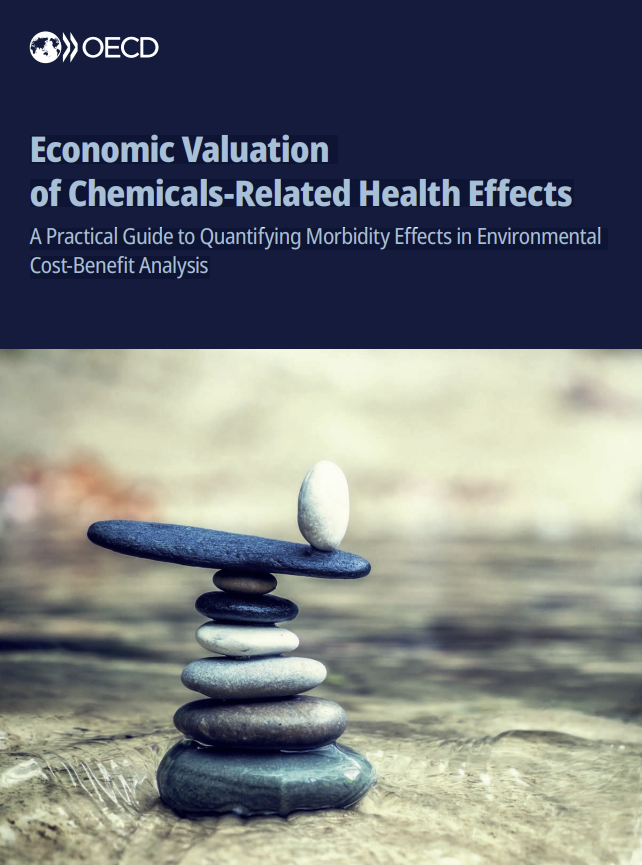
Chemicals play an important role in our daily life and are an essential part of modern society. While offering numerous advantages, they must be soundly managed to protect human health and the environment. The assessment of chemicals management options often relies on cost-benefit analyses that compare the societal benefits of regulating chemicals against the costs of policy implementation.
To adequately assess such benefits, information on both mortality and morbidity effects is needed. However, assessments of the latter have historically been lacking given the challenge of valuing morbidity profiles across disease and illness states, while capturing the physical and psychological experience of suffering.
The OECD project on Surveys on Willingness-to-pay to Avoid negative Chemicals-related Health Effects (SWACHE) attempts to fill this gap by establishing internationally comparable values of individuals’ willingness-to-pay to reduce their risk of developing or worsening a specific health outcome.
Where possible, these estimates are converted into corresponding values of a statistical case to derive the monetary value that a population assigns to avoiding one statistical case of a given health condition among its members. In turn, values of a statistical case can be used in cost-benefit analyses to enhance the quality of policy impact assessments to quantify the intangible welfare benefits associated with chemicals regulation.
This report provides harmonised estimates for ten health effects studied in the SWACHE project so far: asthma risk and severity in adults and children, IQ loss in children, chronic kidney disease, infertility, very low birth weight, hypertension, miscarriage, underactive thyroid, non-fatal cancer and skin sensitisation.
To derive willingness-to-pay estimates, two rounds of surveys (96 in total) were implemented between 2022 and 2025 across 28 countries with over 116 000 respondents. The surveyed countries are Australia, Austria, Belgium, Canada, Chile, Czech Republic (hereafter 'Czechia'), Denmark, Estonia, Finland, France, Germany, Greece, Italy, Japan, Korea, Mexico, the Netherlands, Norway, Poland, Portugal, Slovenia, South Africa, Spain, Sweden, Switzerland, Türkiye, the United Kingdom, and the United States. In each country, between 1 and 10 surveys were implemented, collecting a minimum of 1 200 responses per health effect.
OECD November 2026
ID 20016 | 20.07.2023
Regolamento (UE) 2023/1490 della Commissione del 19 luglio 2023 che modifica il regolamento (CE) n. 1223/2009 del P...
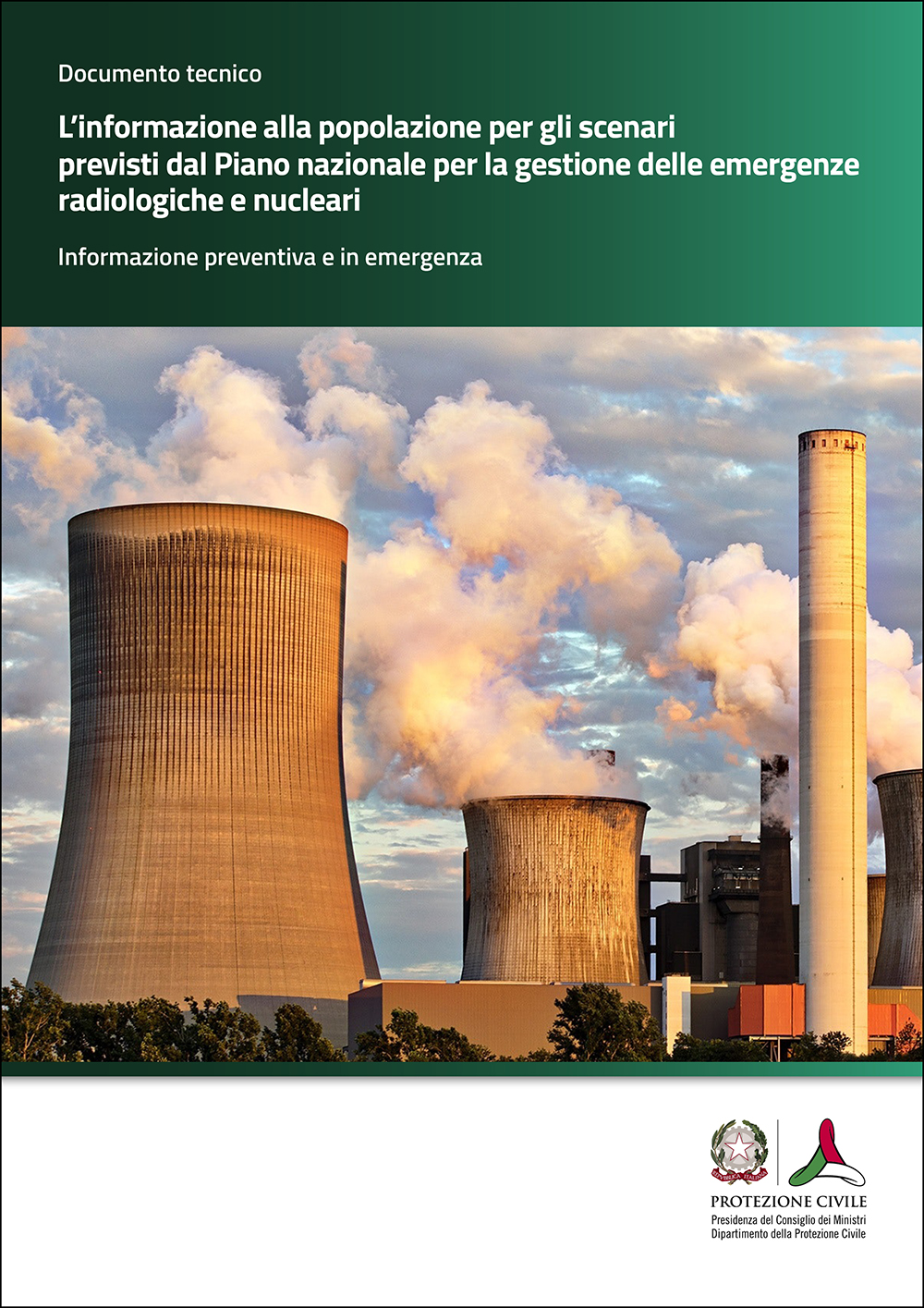
ID 20904 | 08.12.2023 / In allegato Documento tecnico DPC 2022
Il Docu...
ID 21865 | Last update: 15.05.2024
REACH Authorisation Decisions List of authorisation decisions adopted on the basis of Article 64 of Regul...
Testata editoriale iscritta al n. 22/2024 del registro periodici della cancelleria del Tribunale di Perugia in data 19.11.2024