


Decreto-Legge 8 agosto 2025 n. 116
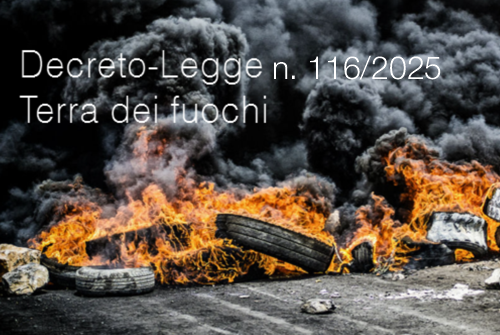
Decreto-Legge 8 agosto 2025 n. 116 - Decreto Terra dei fuochi / Legge di conv. 147/2025
ID 24367 | 08.08.2025
Decreto Legge 8 agosto 2025 n. 116
Disposizioni urgenti per il contrasto alle attivita' illec...

















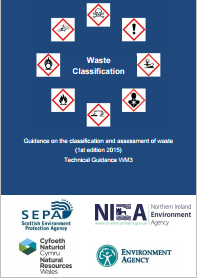
As part of your waste duty of care you must classify the waste your business produces:
- before it is collected, disposed of or recovered
- to identify the controls that apply to the movement of the waste
- to complete waste documents and records
- to identify suitably authorised waste management options
- to prevent harm to people and the environment.
You should use this guidance if you produce, manage or regulate waste.
For most wastes, you will need to identify if the waste has a hazardous property before you can classify or describe it.
This guidance explains how to assess if the waste displays a hazardous property and how to classify it.
Chapter 2 provides the procedure for waste classification and assessment. This procedure uses the supporting information provided in five appendices as shown below.
1st edition 2015
Environment agency UK
Technical Guidance WM3
Collegati
ID 24367 | 08.08.2025
Decreto Legge 8 agosto 2025 n. 116
Disposizioni urgenti per il contrasto alle attivita' illec...
ID 20919 | 07.12.2023
Decreto del Presidente del Consiglio dei Ministri 30 ottobre 2023 n. 180 Regolamento concernente modifiche al regolamento di organizzazione del Minister...

ID 27240 | 06 Ottobre 2026 / Allegato
Legge 5 ottobre 2026 n. 173
Conversione in legge, con modificaz...
Testata editoriale iscritta al n. 22/2024 del registro periodici della cancelleria del Tribunale di Perugia in data 19.11.2024