


Decreto MITE n. 548 del 28 dicembre 2021
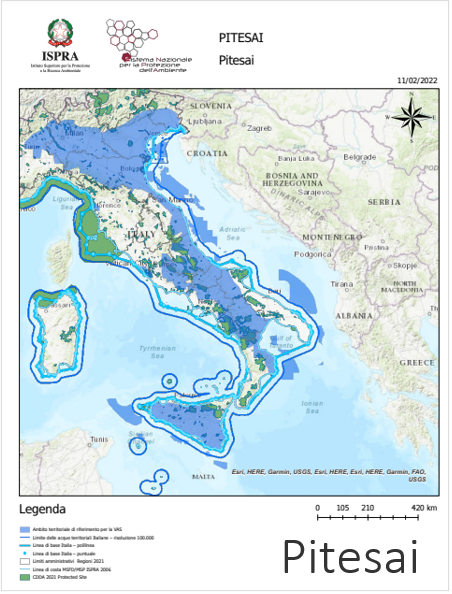
Decreto MITE n. 548 del 28 dicembre 2021 / Piano per la transizione energetica sostenibile delle aree idonee (Pitesai)
Adozione del Piano per la transizione energetica sostenibile delle aree idonee, n...


















ID 27605 | 25 Novembre 2026 / Attached
Energy Efficiency 2026 is the IEA’s primary annual analysis of global energy efficiency developments, examining recent trends in energy intensity, energy demand, investment, employment and policy. This year’s report explores how the global energy crisis is shaping energy demand and the role of energy efficiency measures, alongside sector-specific analysis across industry, buildings, appliances, transport and power systems. It also examines regional trends, highlighting differences in energy efficiency progress, policy approaches and responses to the crisis across the world.
__________
Executive Summary
The energy crisis is reshaping global energy efficiency trends
Global primary energy intensity is expected to improve by nearly 3%, up from about 2% in 2025. This year’s acceleration reflects energy demand growth flattening amid the global energy crisis triggered by the closure of the Strait of Hormuz, as supply constraints and higher energy prices weigh on consumption. Gross domestic product (GDP) growth has remained resilient at about 3%, buoyed up by investment in artificial intelligence and high-tech manufacturing.
The 2026 energy intensity reflects both the disruptions of the crisis and underlying progress on energy efficiency. While some gains related to longer-term efficiency measures continued, particularly through the adoption of more efficient and electrified technologies, part of this year’s energy intensity change results from forced cuts in energy consumption. Households had to adapt their cooking and transport habits, while many businesses scaled back production, shifted to less energy-intensive activities or scrambled to find alternative energy sources. Some of these changes moderated energy demand growth but came at a significant economic and social cost.
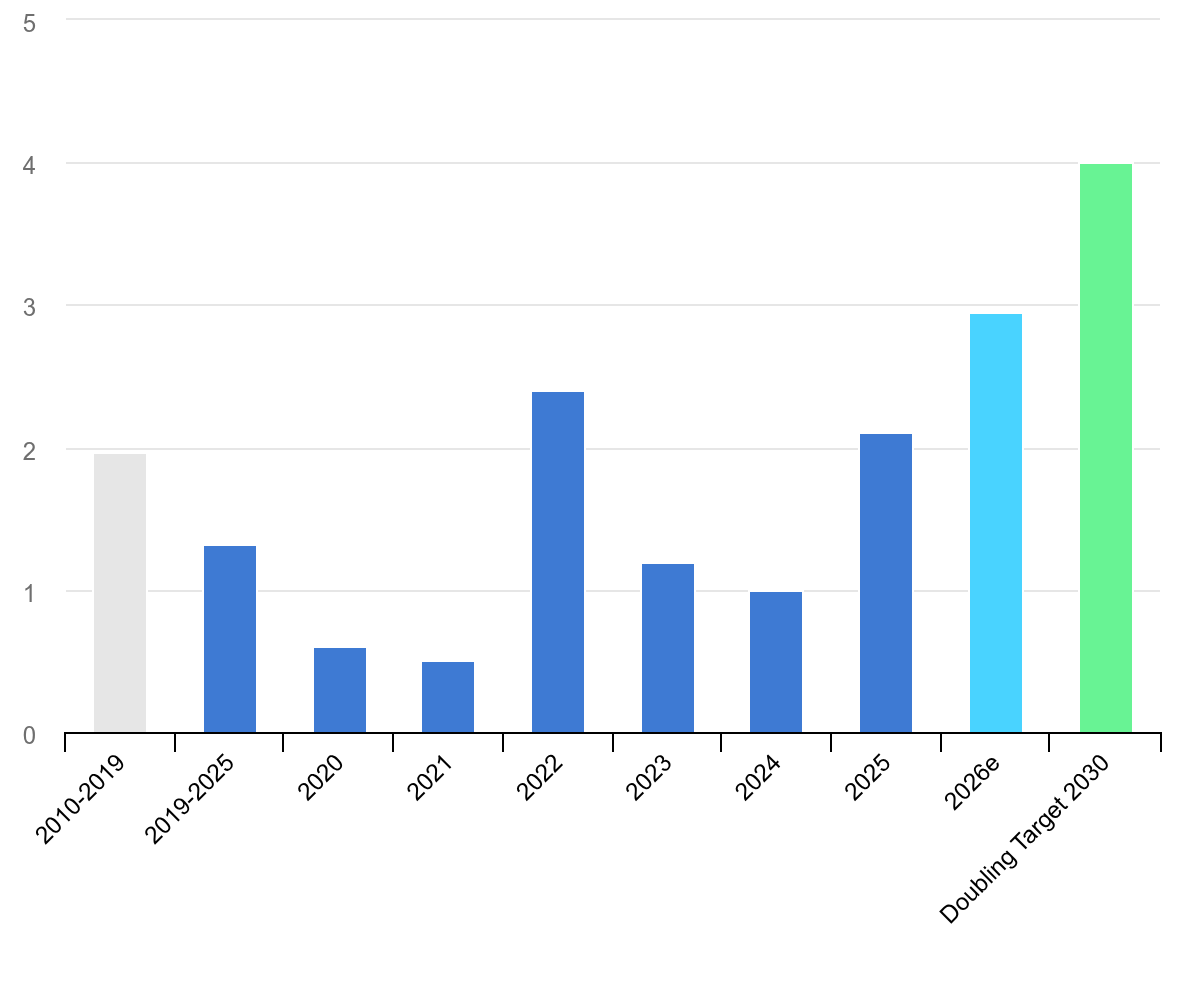
Primary energy intensity progress, 2010-2019, 2020-2026e and doubling target
...
add attached
Adozione del Piano per la transizione energetica sostenibile delle aree idonee, n...
ID 15495 | 18.01.2022 / Documento completo allegato
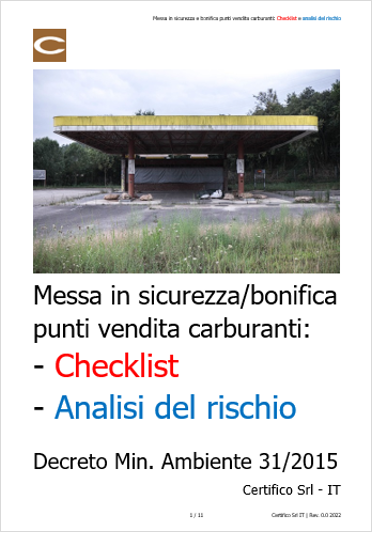
Con il Decreto 12 febbraio 2015, n. 31 è stata data attuazion...
Direttiva 2006/7/CE del Parlamento europeo e del Consiglio, del 15 febbraio 2006, relativa alla gestione della qualità delle acque di balneazione e che abroga la direttiva 76/160/CE...
Testata editoriale iscritta al n. 22/2024 del registro periodici della cancelleria del Tribunale di Perugia in data 19.11.2024